The Library Index provides easy access to an extensive collection of books, authors, and literary resources. Explore reading recommendations, discover classic and modern titles, and navigate a growing library collection designed to connect readers with knowledge, stories, and inspiration across many subjects.
Andrew Carnegie
Blurb
Andrew Carnegie’s essay How to Win a Fortune, first published in 1890, outlines his principles for achieving success and wealth. He emphasizes that fortune is built through dedication, intelligence, and focus rather than inheritance or luck. Carnegie advises choosing one line of business, mastering it, and continuously innovating to stay ahead. He stresses the importance of perseverance during economic challenges, believing that essential businesses will always thrive if managed effectively. The essay encourages self-reliance, strategic thinking, and disciplined effort, offering timeless insights into entrepreneurship and wealth-building that reflect Carnegie’s own remarkable journey from humble beginnings to industrial success.
How to Win a Fortune

Content
Has the Young Man Now a Chance?
Where Is the Chance to Be Found?
The Prime Condition of Success
Fighting It Out on One Line
Innovation, Tools, and Leadership
Facing Economic Cycles
Returning Value to Society
Blurb
Andrew Carnegie’s The Gospel of Wealth (1889) presents his philosophy on the responsibilities of the wealthy. Carnegie argues that the accumulation of wealth is natural and beneficial when used to improve society. He rejects both hoarding wealth and leaving large inheritances, viewing them as harmful. Instead, he believes the rich should act as trustees of their wealth, redistributing it thoughtfully during their lifetimes to support public good—such as education, libraries, and cultural institutions. Carnegie emphasizes that philanthropy, when paired with wise management, fosters progress and reduces social inequalities, defining the true moral duty of those who achieve great fortune.
The Gospel of Wealth
Content
Introduction
The Gospel of Wealth (original 1889 essay)
The Best Fields for Philanthropy
The Advantages of Poverty
The Gospel of Wealth II
Wealth and Its Uses
Business
The Three‑Legged Stool
Suggestions for Further Reading
Note on the Text
Blurb
Andrew Carnegie’s Triumphant Democracy: Fifty Years’ March of the Republic (1886) is both a tribute to and analysis of the United States’ rapid progress during its first century of independence. Carnegie contrasts the democratic ideals of the U.S. with the rigid class structures of Europe, emphasizing the nation’s spirit of equality, innovation, and economic growth. He highlights advancements in industry, infrastructure, education, and political freedom as evidence of democracy’s superiority. Carnegie believed America’s success stemmed from opportunity, individual effort, and open social mobility. The book serves as both praise for American democracy and a call for continued progress.
Triumphant Democracy or Fifty Years March of the Republic
Content
The Republic
The American People
Cities and Towns
Conditions of Life
Occupations
Education
Religion
Pauperism and Crime
Agriculture
Manufactures
Mining
Trade and Commerce
Railways and Waterways
Art and Music
Literature
The Federal Constellation
Foreign Affairs
The Government’s Non‑Political Work
The National Balance Sheet
General Reflections
George S. Clason
Blurb
The Richest Man in Babylon
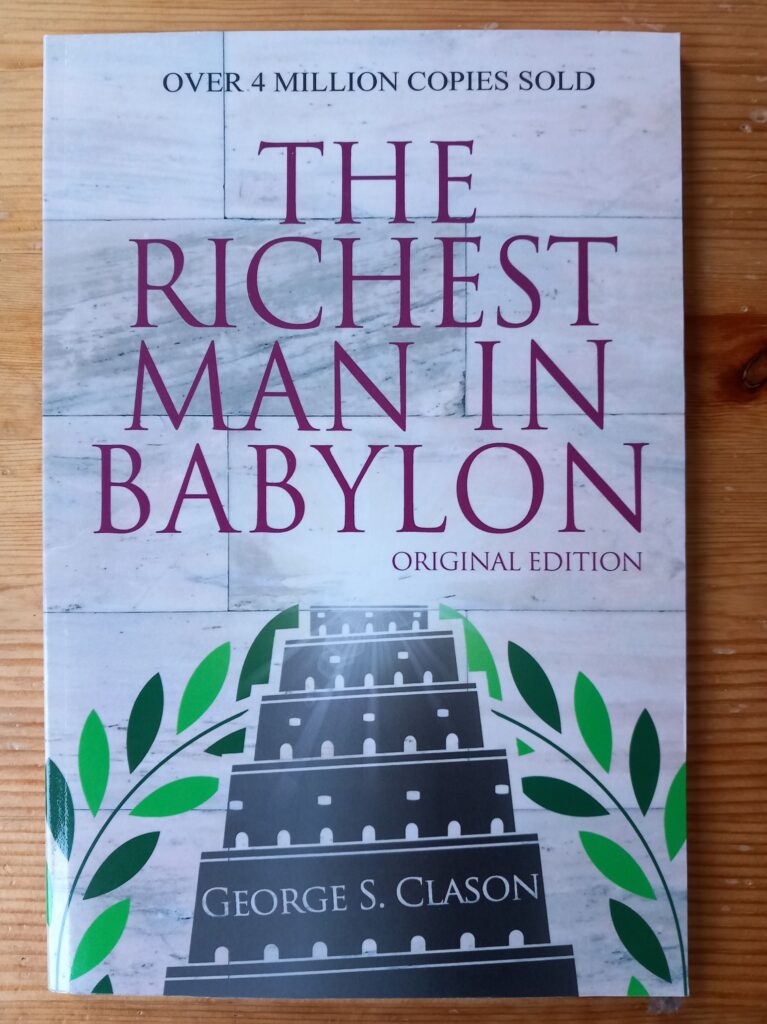
Content
Foreword
The Man Who Desired Gold
The Richest Man in Babylon
Seven Cures for a Lean Purse
Meet the Goddess of Good Luck
The Five Laws of Gold
The Gold Lender of Babylon
The Walls of Babylon
The Camel Trader of Babylon
The Clay Tablets from Babylon
The Luckiest Man in Babylon
An Historical Sketch of Babylon
Author
Blurb
Books inspire, educate, and entertain readers across every genre and subject. books actively shape learning, preserve culture, and reflect society’s history and values. Readers turn to books to gain wisdom, explore new perspectives, and enjoy unforgettable narratives. Every written work offers the chance to grow, connect, and discover fresh ideas. Books remain a timeless cornerstone of education, creativity, and personal development, guiding minds and fueling inspiration across generations.
Title
Content
Discover the comprehensive list of contents, providing an organized overview of all topics and chapters.